
In the evolution of parking technology, many operators are shifting from traditional cash-based systems to modern cashless solutions. While cashless parking offers undeniable benefits in terms of user convenience, automation, and operational scalability, it's important to clarify a common misconception: cashless does not necessarily reduce reconciliation workload. In fact, it may increase if the deployment is complex with multiple third-party systems and payment channels.
Cash-Based Parking: A Closed System with Controlled Reconciliation
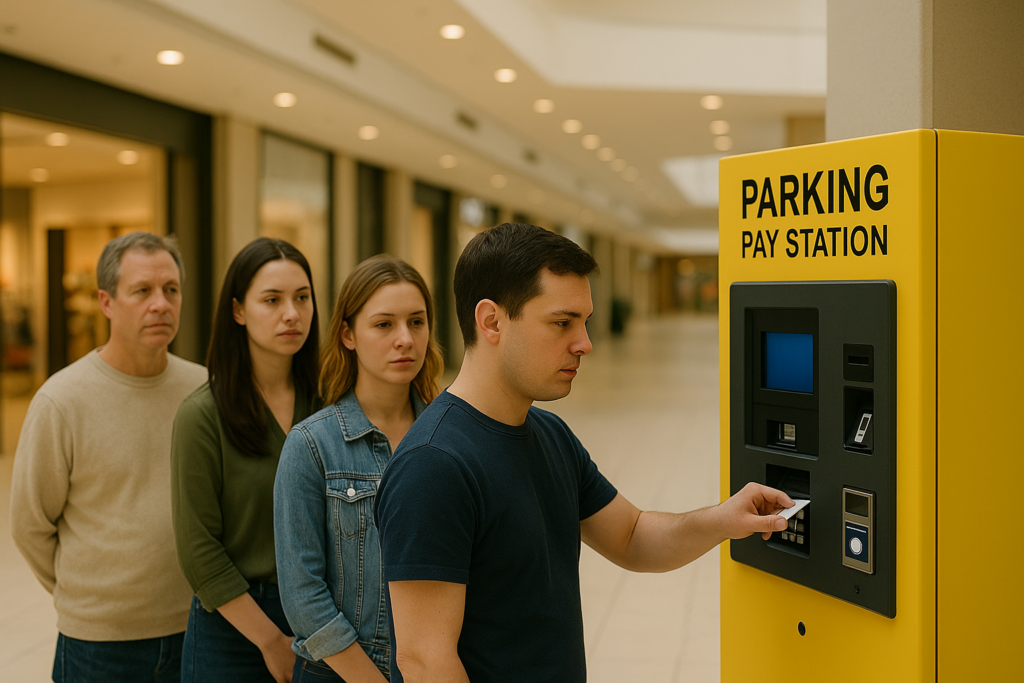
Traditional parking systems rely on cash, typically via Auto Payment Machines (APMs) and ticketing systems. This cash-based system normally operates within a closed ecosystem.
The entire transaction flow — from entry to exit and payment — is handled within a single, localized system. This structure allows for direct reconciliation between the system's transaction records and the physical cash collected.
Reconciliation in such systems is usually straightforward, focusing on:
- Cash collected vs. system-reported revenue
- Handling discrepancies due to float mismanagement or manual error
- Detecting internal fraud or theft
While still necessary, the reconciliation process is generally more controllable and contained within a single environment.
Cashless Parking: An Open System with Increased Complexity
Cashless parking introduces a more open and interconnected environment. It integrates the Parking Management System (PMS) with multiple third-party platforms, such as:
- Touch n' Go Card – BAU & ABT System
- Credit/debit card networks (Visa/MasterCard, MyDebit)
- eWallets (e.g., TnG, Setel etc)
- Payment gateways such as iPay88, Fiuu and banks
- License Plate Recognition (LPR) or RFID technologies
- Cloud infrastructure and Internet connectivity
This ecosystem creates a more seamless user experience, but also introduces more potential variance points, including:
- Delayed or failed transactions
- Network or API disruptions
- Decimal/rounding mismatches
- Inconsistent timestamps between systems
- Differences in settlement reports vs. PMS data
As a result, operators often face increased reconciliation workloads, requiring:
- Cross-verification between multiple systems
- Technical understanding of each payment channel's settlement logic
- Proactive variance investigation and reporting
Reconciliation Is Inevitable — But Its Nature Changes
| Aspect | Cash-Based System | Cashless System |
|---|---|---|
| System Type | Closed | Open |
| Dependencies | Internal only | Multiple third parties |
| Reconciliation Scope | Cash vs. PMS report | PMS vs. eWallet/bank/gateway reports |
| Variance Risk | Low to Moderate | Moderate to High |
| Reconciliation Load | Manageable, predictable | Complex, requires coordination |
Conclusion
While cashless parking transforms the parking experience and enables long-term operational efficiency, it does not remove the need for reconciliation. On the contrary, the increased complexity and interdependencies often demand more rigorous reconciliation processes.
Operators must be prepared with robust reporting tools, experienced finance teams, and close collaboration with solution providers to ensure financial accuracy and transparency — or, as best practice, set an acceptable variance provisional rate to reduce the reconciliation workload.
At TimeTec Parking, we provide advanced reconciliation and variance reports integrated with your payment channels, helping operators gain financial transparency and reduce investigation time — so you can focus on operations, not paperwork.